Unveiling the Rich Tapestry of Saudi Arabia’s National Clothes
Saudi Arabia, a land steeped in history and tradition, boasts a unique cultural identity reflected in its national clothing. This article delves into the fascinating world of Saudi Arabian attire, exploring its significance, variations, and the evolving relationship between tradition and modernity.
Understanding the Significance of Traditional Attire
Traditional clothing in Saudi Arabia is more than just fabric; it’s a tangible link to the nation’s heritage. It embodies the values, customs, and social structures that have shaped the country for centuries. For centuries, the garments have served practical purposes, providing protection from the harsh desert climate while also conveying social and cultural messages.
The choice of attire often reflects a person’s social status, age, and even region. While modernization has introduced new styles, the traditional elements remain deeply ingrained in the cultural fabric.
The Key Components of Saudi National Clothing:
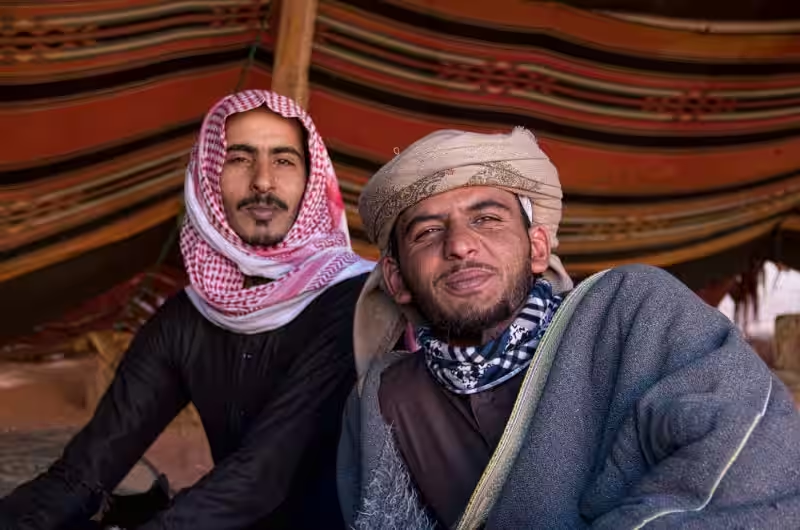
The most recognizable element of Saudi Arabian national clothes is the thawb, a long, flowing white garment traditionally worn by men. This simple yet elegant piece of clothing is often paired with a ghutra (a headcloth) and ‘egal’ (a black or colorful shawl). The specific styles and colors can vary regionally.
The Traditional Thawb:
The thawb, often made of a lightweight and breathable cotton, is essential clothing. Its simplicity speaks to the practicality and focus on functionality. Its white color symbolizes purity and reverence, reflecting the country’s Islamic values.
Variations in the thawb’s style, such as the length or the way it’s draped, can signal particular social status or religious affiliations. The thawb serves as a cornerstone in the traditional male wardrobe, deeply embedded in Saudi culture.
The ghutra, a headpiece traditionally made of cotton or wool, is a crucial part of the traditional Saudi male ensemble, providing protection from the sun and sand. The colored egal (sometimes called a shayla) is draped over the head and shoulders and is often intricately embroidered or patterned. Women’s attire traditionally includes the abaya, a loose, flowing robe that covers the entire body, and the hijab, a head covering.
Regional Variations:
While the core elements of Saudi Arabian national clothes remain consistent, regional variations exist. Certain embellishments or different fabrics might distinguish attire from one region to another. The complexity of these subtle differences highlights the diversity within the country’s cultural tapestry.
Modern Interpretations and the Evolving Landscape:
Today, Saudi Arabia is undergoing a period of significant social and cultural change. Modernization is influencing fashion trends, and the traditional garments are being reinterpreted in contemporary styles. However, the traditional clothing remains a crucial expression of Saudi identity, and the thawb and abaya continue to be widely worn in both formal and informal settings. The subtle blending of tradition and modernity is a defining feature of the Saudi fashion landscape.
Preserving the Past, Embracing the Future:
Traditional Saudi Arabian clothing holds a significant role in preserving the nation’s rich cultural heritage. As the country evolves, it’s essential to maintain a connection to these traditions while also embracing modern interpretations. The garments reflect a long history of cultural adaptation, a testament to the resilience and adaptability of Saudi Arab society.
Conclusion:
Saudi Arabia’s national clothes are more than just garments. They are symbols of identity, tradition, and cultural connection. As the country navigates its path toward modernity, the rich tapestry of its national attire continues to evolve, providing a fascinating glimpse into the heart of Saudi society. The preservation of these traditions is key to understanding and celebrating the rich heritage of the Kingdom.
Frequently Asked Questions about Saudi Arabian National Clothing
This FAQ section aims to provide information about traditional Saudi Arabian clothing, addressing common questions and dispelling misconceptions.
What is the traditional clothing of Saudi Arabia?
Saudi Arabian traditional clothing, while varying by region and social class, is generally characterized by its practicality and adherence to cultural norms. A key element is the thobe, a long, flowing white garment worn by men. It’s often paired with a ghutra (a white headcloth) and an egal (a black or patterned shawl-like head covering). Women typically wear an abaya, a long, loose cloak, often in a variety of colours, styles, and fabrics. Styles and variations in fabric quality and embellishments can indicate social and economic status.
Are there different styles of traditional clothing within Saudi Arabia?
While the thobe, ghutra, and abaya are common elements, regional variations exist. The specific fabrics, embellishments, and patterns used can differ across various regions of the country, reflecting local traditions and preferences. For instance, there may be differing styles for winter and summer wear, with thicker fabrics used for cooler periods. These variations are important for understanding the diverse cultural expressions within the kingdom.
How has Western fashion influenced Saudi Arabian clothing?
Modernization and globalization have led to an increased presence of Western fashion styles in Saudi Arabia, especially among younger generations in urban areas. However, traditional attire remains prevalent, particularly in rural and more conservative communities, and plays a significant role in preserving cultural identity. The blending of traditional and Western styles has resulted in a dynamic evolution of fashion preferences.
What is the significance of clothing in Saudi Arabian culture?
Traditional Saudi Arabian clothing is deeply intertwined with cultural values and practices. It is often a visible expression of modesty, respect for religious beliefs, and a connection to historical traditions. The specific choice of clothing can signal social status, regional identity, and even religious affiliations.
What are the common misconceptions about Saudi Arabian clothing?
A common misconception is that all Saudi women wear the same type of clothing. In fact, while the abaya is a prevalent garment, there’s a wide range of styles, fabrics, and colours available. Similarly, men’s attire is more diverse than commonly depicted, with regional variations and social context influencing choices.
How does clothing relate to social interactions?
Clothing plays a role in social interaction and perception in Saudi Arabia. Traditional clothing often serves to define social groups and promote a sense of community. The specific clothing choices chosen can affect how individuals are perceived and interact with others.
How is clothing a form of cultural expression?
The variety of designs, colors, and fabrics used in traditional Saudi Arabian clothing reflect the region’s rich history and cultural diversity. Each style offers a glimpse into the local traditions, values, and artistry that shape the national identity.