Quran Verses About Ramadan: A Journey of Spiritual Reflection
Ramadan, the ninth month of the Islamic lunar calendar, is a time of profound spiritual growth and reflection for Muslims worldwide. It’s not just about abstaining from food and drink, but a multifaceted journey towards self-improvement and strengthening the bond with God. The revelation of the Quran during Ramadan underscores the month’s profound significance. This article delves into the Quran’s guidance on Ramadan, exploring the deeper meanings behind the practices and offering insights for a more meaningful experience.
Ramadan isn’t merely a period of physical restraint; it’s a crucial time for introspection and evaluation. The month serves as a mirror, prompting self-assessment of intentions and actions. Muslims are encouraged to contemplate their aspirations for spiritual development, seeking to improve their character and actions. The Quran emphasizes that the true essence of Ramadan lies in actively seeking rewards and good deeds, not simply going through the motions. This necessitates a careful examination of one’s motivations and actions, prompting a commitment to personal growth and transformation.
The month’s spiritual emphasis often goes beyond the physical act of fasting. It extends to thoughts, words, and actions, urging a holistic approach to self-improvement. This internal reflection is crucial for understanding the true purpose of the fast and its transformative potential. True self-improvement requires genuine introspection, a sincere desire to align one’s actions with God’s guidance, and a commitment to charity and empathy.
Intentions and Actions in the Quran
A crucial aspect of Ramadan, emphasized in the Quran and Islamic traditions, is the concept of intentionality. Actions are judged not only by their outward form but also by the intentions behind them. A hadith (a saying or tradition of the Prophet Muhammad) highlights this principle: “Actions are judged by intentions.” This underscores the importance of cultivating a sincere desire for personal growth and service to others. The focus is not merely on physical discipline, but on the moral and spiritual transformation that Ramadan facilitates.
This emphasis on intentionality encourages Muslims to reflect on the underlying motivations behind their actions during the month. Are they driven by a genuine desire for spiritual growth, or by external pressures? Understanding the intentions behind fasting, prayer, and charitable acts allows for a deeper connection with the spirit of Ramadan and its inherent spiritual rewards. This understanding should be applied not only to the physical aspects, but to one’s relationship with others as well.
The Quranic Verses on Ramadan: Guidance and Reflection
The Quran doesn’t explicitly dedicate a specific Surah (chapter) solely to Ramadan. However, numerous verses within the Quran touch upon the principles and practices associated with the month. A key theme is the importance of fasting as a means of achieving spiritual closeness to God, developing self-discipline, and reflecting on the needs of others. These verses guide Muslims towards a deeper understanding of the spiritual journey undertaken during Ramadan.
Key Quranic themes regarding Ramadan include:
Fasting as a means of spiritual purification: Verses emphasize that fasting is not just about physical deprivation, but about cultivating self-control and developing a stronger connection with God.
The importance of charity and compassion: The Quran encourages generosity and acts of charity during Ramadan, further emphasizing the spiritual dimension of the month.
The revelation of the Quran: The Quran was revealed during Ramadan, highlighting the month’s significant role in divine guidance and revelation.
Reflection and introspection: Quranic teachings frequently point towards the importance of reflection and self-evaluation, making this a crucial aspect of Ramadan.
These scattered but interconnected verses throughout the Quran provide a comprehensive framework for understanding and practicing Ramadan, guiding believers towards a deeper spiritual and ethical transformation.
Beyond the Physical: Ramadan’s Holistic Approach
The core message of Quranic verses about Ramadan is about transcendence. It’s a period for striving to become the best version of oneself. This means actively striving to please God by abstaining not only from food and drink, but also from negative thoughts, words, and deeds. This call requires a deeper analysis of one’s character and behavior. Are your actions truly aligned with your aspirations? Are you taking full advantage of the opportunity for growth that Ramadan offers?
During Ramadan, Muslims are challenged to evaluate their path and identify areas for improvement. The month presents a unique opportunity for introspection, self-assessment, and the potential for profound transformation. This should encompass all aspects of life, from personal relationships to professional conduct. The goal is not just to fulfill the obligations, but to truly grasp the spirit of the month and make lasting changes for the better.
Embracing the Opportunity for Growth
Ramadan is not just a period of observance; it’s a chance to embark on a journey of profound personal transformation. The Quranic verses about Ramadan offer a roadmap for spiritual growth, encouraging believers to use this period productively toward self-improvement. It’s a time for reflecting on one’s intentions, actions, and relationships. Using the Quran’s guiding principles, Muslims can strive toward a more meaningful connection with God and a more virtuous existence.
Ultimately, the message within these verses is one of hope and encouragement. May this Ramadan be a time of profound spiritual growth and transformation for everyone. May the principles of the Quran guide you to achieve your best self and make a positive impact on the world around you.
Frequently Asked Questions about Quranic Verses Regarding Ramadan
What is the significance of Ramadan in Islam according to the Quran?
The Quran highlights Ramadan as a time of profound spiritual growth and reflection. It emphasizes that the revelation of the Quran to Prophet Muhammad (peace be upon him) occurred during this month, underscoring its significance. The Quran establishes fasting as a prescribed practice for believers, aiming to cultivate piety, self-discipline, and awareness of God. This practice is not unique to Islam, but rather a part of a broader religious tradition. The Quran also connects fasting with understanding the deprivation faced by others and developing compassion. The month is a time for reassessing intentions and striving for personal improvement, going beyond the physical act of fasting to encompass thoughts, words, and actions.
What does the Quran say about the purpose of fasting in Ramadan?
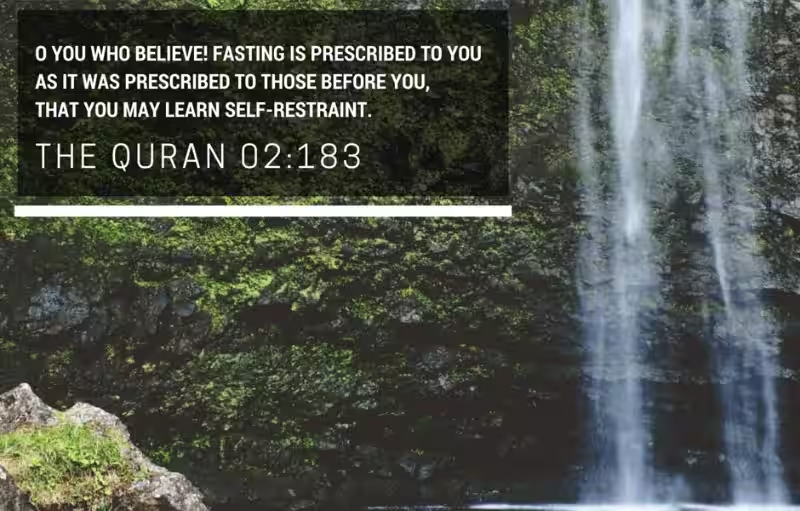
Quran 2:183 states that fasting is prescribed for believers to cultivate piety and righteousness. It encourages self-control and devotion to God. The verse also connects the act of fasting with developing compassion and understanding the hardships of those less fortunate.
How does the Quran emphasize the importance of charity during Ramadan?
While the provided texts don’t directly quote Quranic verses about charity during Ramadan, a referenced Hadith (prophetic tradition) highlights the immense reward for providing food to a fasting person to break their fast. This emphasizes the importance of compassion and generosity within the Islamic tradition. This act of generosity demonstrates the spirit of solidarity and care for others during this month.
What is the Laylat al-Qadr (Night of Power) as mentioned in the Quran?
Quran 97:1-5 describes Laylat al-Qadr as the most important night of Ramadan. It is a night of exceptional spiritual significance, where angels descend, divine decrees are made, and forgiveness is sought. This night is described as better than a thousand months in terms of spiritual merit.
What does the Quran say about the revelation of the Quran during Ramadan?
Quran 21:85 states that the Quran was revealed during the month of Ramadan. This reinforces the special nature and blessings associated with this month, highlighting the significance of Ramadan as a time of divine guidance.
Is there a mention about making up missed fasts in the Quran?
While the provided texts mention the possibility of making up missed fasts, this is not explicitly stated within the Quran itself. Instead, the texts refer to the possibility of making up missed fasts for individuals with legitimate reasons, such as illness or travel. This is related to practical guidelines for observing Ramadan.
How does the Quran encourage self-reflection during Ramadan?
The Quran’s emphasis on fasting in Ramadan encourages believers to evaluate their intentions and strive for spiritual growth. This process of self-reflection and reassessment is linked to the idea that Ramadan is a time for transcendence and becoming the best version of oneself. It’s not just about abstaining from food and drink, but about a deeper analysis of one’s character and behavior, ensuring actions align with desired goals.