Ramadan Verses in the Quran: A Deep Dive into Spiritual Reflection
Ramadan, a month of profound spiritual significance for Muslims globally, is deeply rooted in the Quranic teachings. Understanding the Quranic verses related to Ramadan unveils a multifaceted approach to faith, self-improvement, and connection with the divine. This article delves into the Quranic perspective on Ramadan, focusing on the key verses that shape the month’s practices and spiritual rewards.
Understanding the context surrounding Ramadan verses is crucial. The Quran isn’t a book solely dedicated to a single month; rather, its verses are interconnected, forming a comprehensive framework for Islamic life. The verses related to fasting in Ramadan are embedded within the broader context of Islamic teachings on faith, morality, and social responsibility. This means understanding a verse about Ramadan requires considering the broader principles and themes it connects with. It’s not just about the act of fasting, but also the intention behind it and the broader implications for the believer’s life.
Key Quranic Verses Related to Ramadan Fasting
The Quran explicitly addresses fasting in several verses, particularly within Surah Al-Baqarah (Chapter 2). These verses often highlight the importance of fasting not only as a physical act but also as a means of spiritual purification and connection with God. The concept of taqwa (piety, consciousness of God) is central to these verses.
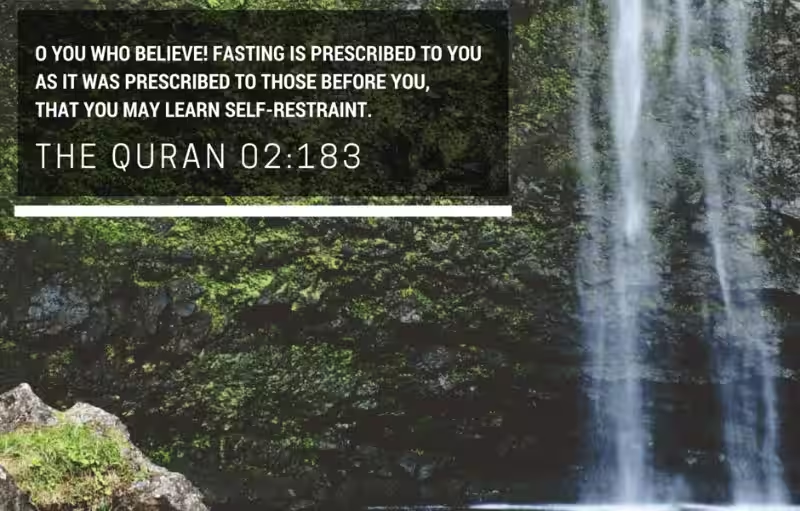
One of the most significant verses is 2:183, which states: “O ye who believe! Fasting is prescribed for you, as it was for those before you, that you may learn piety and righteousness, and that ye may attain taqwa.” This verse connects the practice of Ramadan fasting with the traditions of previous prophets, emphasizing the enduring significance of this spiritual discipline. It positions fasting not as an isolated practice, but as part of a continuous tradition of seeking divine closeness. The phrase “as it was for those before you” is crucial—it establishes the historical and theological precedent for fasting, making it a timeless practice grounded in divine revelation.
The Importance of Intention and Self-discipline
Beyond the physical act of abstaining from food and drink, the Quran emphasizes the importance of intention and self-discipline during Ramadan. Verses like 2:185 encourage Muslims to complete the fast with a heart focused on Allah’s pleasure, highlighting the transformative potential of the month. The verse emphasizes that the acts of Ramadan should not be mere rituals, but rather opportunities for self-improvement and spiritual growth.
Another essential aspect of Ramadan, as reflected in the Quran, is the importance of charity and empathy for those less fortunate. While the Quranic verses specifically mentioning Ramadan are focused on the spiritual aspects of fasting, the spirit of giving back to one’s community and helping those in need is strongly encouraged and often interwoven with the teachings of the month.
These verses encourage the believer to go beyond the immediate act of fasting and to actively cultivate a mindset of gratitude, humility, and compassion. This inner transformation is crucial for achieving the spiritual rewards associated with Ramadan.
The Revelation of the Quran and Ramadan
The Quran itself highlights the significance of Ramadan as the month in which the divine revelation began, emphasizing the spiritual connection between the Quran and the month. Verse 2:185 specifically refers to the revelation of the Quran, suggesting that the month is a period of intensified divine guidance. This perspective underscores the deep spiritual connection between the Quran and the practices of Ramadan.
The Quran also speaks of the blessings associated with Ramadan. While not explicitly focused on Ramadan, the concept of Laylat al-Qadr, or the Night of Power, is a pivotal part of the understanding of the month. This night within Ramadan is considered the most blessed night of the year, a time of increased spiritual merit and the opportunity to seek forgiveness and greater closeness to God.
This perspective underscores the deep spiritual significance of Ramadan as a time for heightened devotion, spiritual progress, and seeking divine favor.
Ramadan Verses and the Broader Islamic Framework
The Quranic verses pertaining to Ramadan don’t stand alone. They are part of a larger narrative that encompasses the entire Islamic faith. The verses on fasting in Ramadan contribute to the broader Islamic concept of taqwa, a deep spiritual connection based on fear of Allah, devotion, and righteous living.
The verses that speak about Ramadan are not isolated but build upon earlier teachings in the Quran about faith and morality, connecting the principles of fasting to the broader Islamic framework. The Quran’s teachings on Ramadan, therefore, are not merely about a monthly ritual, but about a journey of spiritual growth that impacts every aspect of a believer’s life.
The Ramadan verses in the Quran are more than just historical accounts or religious texts; they are a call to action, a guide for seeking spiritual fulfillment. They encourage reflection, self-discipline, and a connection with the divine. Understanding these verses provides a framework for navigating the practices of Ramadan with a deeper understanding of their spiritual and personal significance. By embracing the principles outlined in these verses, Muslims can cultivate a deeper connection with Allah and achieve greater spiritual growth.
The verses on Ramadan are not just about what to do during the month, but also about the growth that is intended. They are a testament to the power of faith and the enduring importance of spiritual reflection and devotion.
What are the key verses in the Quran about Ramadan and fasting?
The Quran does not have specific chapters dedicated solely to Ramadan. Instead, verses about fasting, including those relevant to Ramadan, are scattered throughout the text, particularly in Surah Al-Baqarah (Chapter 2). While Surah Al-Baqarah discusses fasting in a broader context, it’s important to understand that Ramadan is the specific month in which Muslims observe this practice. The Quran doesn’t explicitly name Ramadan; however, the verses relate to the act of fasting, its purpose, and its historical context.
What does the Quran say about the purpose of fasting during Ramadan?
Verse 2:183 in Surah Al-Baqarah, a crucial verse related to fasting, states that fasting is prescribed for Muslims “that you may learn piety and righteousness” and “that you may attain taqwa.” This highlights the spiritual dimension of fasting, emphasizing its role in cultivating a closer relationship with Allah through self-discipline, reflection, and increased devotion. The verse also connects fasting to a broader historical tradition of fasting by referencing those who came before the Prophet Muhammad.
How does the Quran frame fasting within the Islamic tradition?
The Quran, particularly in Surah Al-Baqarah, presents fasting as a divinely ordained practice, outlining it as a tradition practiced by previous prophets and messengers. This perspective emphasizes the continuity and importance of this practice across different eras and religious traditions. It underscores the idea that fasting is not merely a physical act of abstinence but a spiritual journey. This understanding is further contextualized within the wider framework of Islamic belief and practice outlined in Surah Al-Baqarah, highlighting the importance of understanding the broader teachings of the Quran.
What other aspects of Ramadan are mentioned in the Quran besides fasting?
While the Quran doesn’t explicitly mention Ramadan by name, the Quran does highlight the significance of the month in relation to the revelation of the Quran. Verses in the Quran, not exclusively focusing on Ramadan, show the importance of reflection, prayer, and charity in Islamic practice. Understanding these verses, while not directly addressing Ramadan, can still contribute to a complete understanding of how Muslims practice their faith during the month.
Does the Quran mention Laylat al-Qadr (the Night of Power)?
The Quran does contain verses (e.g., Surah Al-Qadr, chapter 97), that describe Laylat al-Qadr, a particular night within Ramadan, as superior to a thousand months. These verses highlight the extreme significance and spiritual rewards associated with prayer and reflection on this special night. These verses emphasize the opportunity for profound spiritual attainment during this night, further solidifying its importance within Islamic tradition during Ramadan.
Is the Quran’s perspective on Ramadan limited to only fasting?
No, the Quran’s perspective on Ramadan extends beyond simply fasting. While fasting is central, the Quran encourages a holistic approach to the month, including reflection, prayer, charity (highlighted in traditions accompanying Quranic teachings), and seeking spiritual growth. These wider aspects of the month are essential elements of Islamic practice during Ramadan. These practices go beyond the physical act of fasting, encompassing the spiritual and social dimensions of the month.