Arabic Letters Trace Worksheet: A Free Resource for Early Literacy
Learning a new script, especially one as intricate as Arabic, can be challenging. For young learners, the process of mastering the shapes and strokes of Arabic letters is crucial for developing pre-writing skills and setting a strong foundation for future literacy. This article explores how Arabic letters trace worksheet resources can be a valuable tool for educators and parents alike.
The Importance of Tracing for Pre-Writing Development
Tracing letters, especially in a new script, is a fundamental step in the pre-writing process. It helps children develop fine motor skills, hand-eye coordination, and an understanding of letter formation. These skills are essential for later writing activities. Children need repeated practice to develop muscle memory and learn the correct strokes required to write neatly and efficiently. Arabic letters, with their unique curves and angles, require a particular level of precision, making dedicated practice crucial.
Arabic Letters Trace Worksheet: A Practical Approach
A well-designed Arabic letters trace worksheet can simplify the learning process considerably. A key element of a good resource is a clear, large format. An 8.5 x 11-inch page allows for ample space for children to practice without feeling cramped, promoting a comfortable learning environment. The use of two letters per page is also pedagogically sound, optimizing space and allowing for focused practice without overwhelming young learners.
Personalized Learning and Adaptability
A crucial aspect of effective learning materials is adaptability. The ability to divide pages allows for personalization of learning. This practical feature permits users to create customized learning materials. Teachers and parents can divide these sheets to create individual letter workbooks. This personalized approach allows learners to practice specific letters, thereby catering to individual needs and pace. This feature also saves time and resources, eliminating the need to create separate worksheets.
The benefits of Arabic letters trace worksheet go beyond basic letter formation. A comprehensive learning approach frequently incorporates various activities. This is reflected in the availability of other helpful resources, including word searches related to back-to-school themes. This addition aids the child in associating the letters with concrete concepts while simultaneously honing their word recognition skills.
Integrated Learning Resources: Beyond Tracing
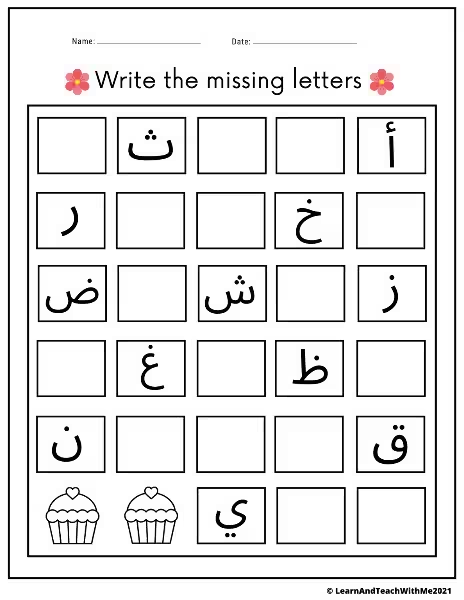
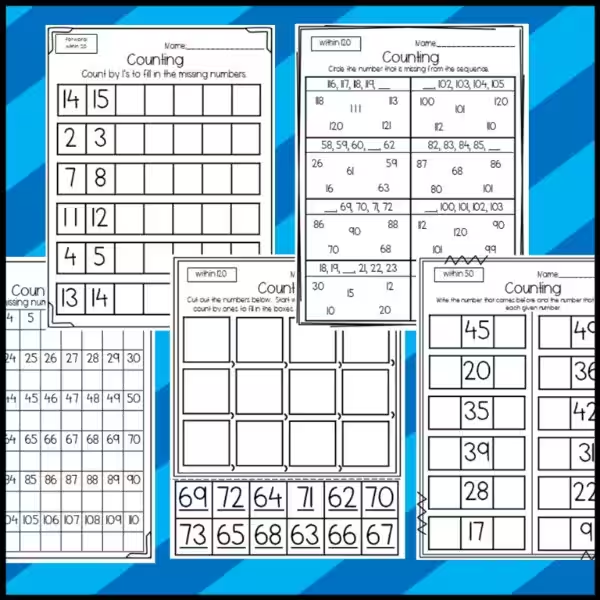
Complementing the Arabic letters trace worksheet, further free resources are made available. These include worksheets focusing on Arabic numbers and cut-and-paste activities. These additions are designed to further develop fine motor skills, a crucial aspect of development in early childhood. The inclusion of a variety of resources reflects a comprehensive learning strategy that goes beyond simple tracing, encompassing word recognition, number comprehension, and fine motor skill development.
Empowering Educators with Affordable Access
The provision of these free resources aims to empower educators by providing supplementary materials to enhance their teaching. These materials are invaluable tools for educators looking to optimize their lessons and provide a diverse learning experience for their students. The resources are designed to make the teaching process easier and more engaging.
Free Resources for Optimal Teaching
The availability of these free teaching resources addresses a critical need in early education. It helps lessen the financial burden on educators and allows for access to valuable instructional materials. This access empowers teachers with the tools they need to create a stimulating and inclusive learning environment.
Enhancing Learning with Interactive Rewards
The platform’s design incorporates a system of rewards for resource downloads and usage. This reward mechanism not only incentivizes users but also fosters a sense of community and encourages repetitive use of the materials. This is a crucial aspect of a well-designed learning platform.
Fostering Engagement and Consistency
The rewards system motivates children to engage consistently with the learning material. Children are naturally motivated by rewards, making the process of learning more enjoyable. This constant engagement ensures that they develop a solid understanding of the Arabic alphabet. This interactive approach maximizes learning potential. By integrating elements of gamification, the platform motivates learners to actively participate in their educational journey.
In conclusion, Arabic letters trace worksheet resources, coupled with a comprehensive array of supplemental materials, provide a valuable tool for K-12 educators and parents. These accessible resources aid in the development of fine motor skills, letter recognition, and overall literacy skills, ultimately setting children up for success in their academic journey. The combination of practical tools, personalized learning, and a supportive environment creates the optimal conditions for young learners to master the intricacies of the Arabic script.
“`markdown
Frequently Asked Questions about Arabic Letter Tracing Worksheets
These resources are designed to support preschool teachers in teaching the Arabic alphabet effectively. This FAQ addresses common questions about the free tracing worksheets and accompanying materials.
What are the Arabic Letter Tracing Worksheets?
The Arabic Letter Tracing Worksheets are a free downloadable resource for preschool educators. They consist of large-format (8.5 x 11 inches) printable pages featuring two Arabic letters per page. This format allows for easy division of the pages, facilitating personalized learning and individualized practice for each student.
Why are these worksheets beneficial for pre-writing skills?
Practicing letter tracing helps develop essential pre-writing skills in young children. The large size and clear presentation of the letters aid in accurate tracing, promoting fine motor development and the necessary hand-eye coordination required for proper writing formation.
How can I use these tracing worksheets effectively?
The large format allows teachers to easily divide the pages, creating individualized practice materials for each student. This tailored approach ensures that each child receives the necessary repetition to master the letters. Teachers can also use the worksheets to differentiate instruction and provide support for students who need more practice or challenge those who are ready for more complex activities.
Are there other resources available besides the tracing worksheets?
Yes, in addition to the tracing worksheets, supplementary resources are offered. These include word searches (focused on the start of the school year), Arabic numeral tracing sheets, and cut-and-paste activities for further fine motor skill development. This comprehensive approach to learning goes beyond simple letter recognition, encompassing vocabulary, numeracy, and crucial motor skills development.
How do the worksheets support personalized learning?
The large format and the ability to divide the pages allow for customization. Teachers can divide the pages to create individualized worksheets for each student, ensuring the exercises align with their individual progress and needs. This flexibility ensures that each student receives the appropriate level of support and challenge, optimizing their learning experience.
What is the educational approach behind these resources?
The resources empower teachers by providing readily available supplementary materials for teaching Arabic letters and numbers at a preschool level. The emphasis on repetition and personalization, coupled with the expanded range of activities, ensures a comprehensive learning experience for students.
How can I access these free resources?
The resources are available for free download on a dedicated educational platform, providing teachers with a readily accessible tool to support the learning process.
What are the benefits of using these resources?
These resources provide teachers with valuable supplementary tools to enhance their teaching of Arabic letters and numbers to preschoolers. The personalization and variation in activities ensure a comprehensive and engaging learning experience for each student. The free nature of these resources and accompanying materials makes them easily accessible and beneficial for educational settings.