“أَب” – A Journey into the Heart of Arabic Fatherhood
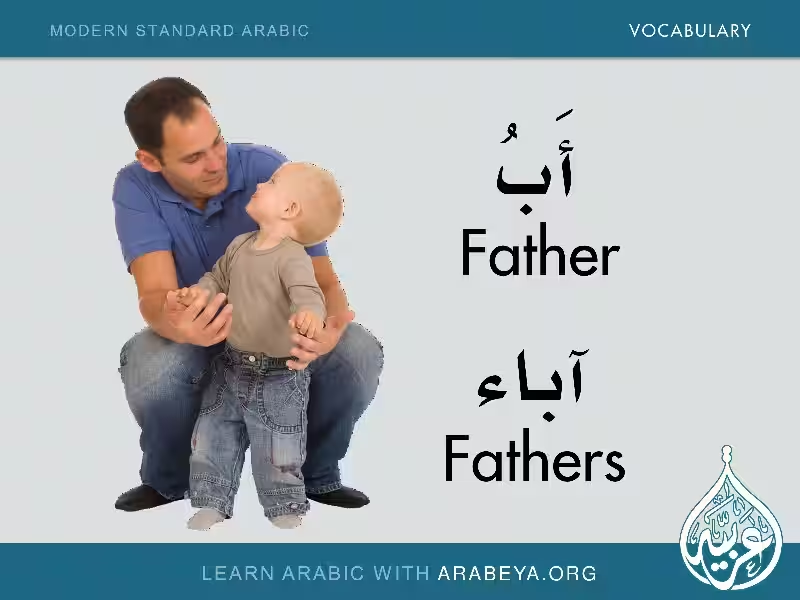
The word “dad” in Arabic is not a simple translation. It’s a journey through diverse dialects, cultural nuances, and heartfelt expressions of familial love. From the formal “ʼab” (أَب) to the affectionate “baba” (بابا), the ways Arabs address their fathers reveal a tapestry of language and tradition.
Just as the Arabic world is vast and varied, so too are the ways to address one’s father. While “ʼab” (أَب) stands as the most common and formal term in classical Arabic, it’s rarely used in everyday conversations. Think of it as the “Mr. President” of fatherly titles.
Formal and Respectful
For those seeking a truly respectful address, “waled” (والد) takes the stage. This word signifies deep respect and is rarely used casually. It’s like a grand salute to the father figure. To further emphasize respect, you can use “abi” (أبي) meaning “my father” or “waledi” (والدي) meaning “my father.” These terms are like a gentle bow to a wise and revered elder.
Informal and Affectionate
But let’s face it, most dads prefer a touch of informality. Enter “baba” (بابا), the “dad” you’ve all been waiting for. This word is widely used across the Arabic world, a universal symbol of love and familiarity. It’s like a warm hug from your father.
The Regional Spectrum of “Dad”
“Baba” (بابا) is a safe bet in most situations, but the beauty of Arabic lies in its regional variations. These dialects reflect the unique cultural tapestry of each region.
Egyptian Arabic: A Blend of Formality and Familiarity
In Egypt, “baba” (بابا) reigns supreme. However, for a touch of formality, “Walidi al-Aziz” (والدي العزيز) meaning “My dear father” is often used. In Upper Egypt, you’ll hear “bouy” (بُوُّي) or “abouy” (أبوي) which is a more intimate and affectionate term. Delta peasants, on the other hand, prefer “Aba” (آبا) meaning “My father,” reflecting their unique social context.
Gulf (Khaliji) Arabic: A Deep Respect for Lineage
Across the Gulf region, “Abouya” (أبويا) and “abu” (أبو) are common. “Abu” often follows the eldest son’s name, signifying both lineage and immense respect for the patriarch. A common informal greeting in the Gulf is “Yubah” (يُبه) meaning “Oh my father,” a simple yet heartfelt expression of affection.
Levantine Arabic: Warmth and Familiarity
In Lebanon, Syria, Jordan, and Palestine, “baba” (بابا) is the word of choice. To add a touch of warmth and familiarity, you might hear “Ya abouy” (يا أبوي) meaning “Oh my father.” It’s like a warm embrace from a beloved family member.
Darija (Maghrebi) Arabic: A Tapestry of Influences
The Maghreb region, encompassing Morocco, Algeria, Tunisia, and Libya, is a melting pot of dialects. In Morocco, “با” (ba) or “لبابا” (l’baba) are common, influenced by the Berber language. In Libya, “bouy” (بُوُي) is a popular choice, reflecting the region’s unique cultural heritage.
Beyond Words: The Heart of Fatherhood in Arabic Culture
The word “dad” in Arabic is more than just a label. It’s a window into Arab culture, traditions, and the profound value placed on family and community. From the reverence for lineage in the Gulf to the warmth of address in the Levant, each region has its own unique way of expressing love and respect for their fathers.
So, the next time you hear an Arab speaker address their father, take a moment to appreciate the rich tapestry of language and tradition woven into those simple words. It’s a reminder that no matter the dialect, the bond between father and child is a universal language of love and respect.
Frequently Asked Questions about “Dad” in Arabic
What is the most common word for “dad” in Arabic?
The most common word for “dad” in Arabic is “baba” (بابا).
Are there other words for “dad” in Arabic?
Yes, there are other words for “dad” in Arabic, depending on the region and formality of the situation. For example, the formal term in classical Arabic is “ʼab” (أب), while “waled” (والد) is extremely respectful and rarely used in casual conversation.
What are some regional variations for “dad” in Arabic?
In Egyptian Arabic, “baba” (بابا) is common, while in Gulf (Khaliji) Arabic, “Abouya” (أبويا) and “abu” (أبو) are prevalent. In Levantine Arabic, “baba” (بابا) is also common. In Darija (Maghrebi) Arabic, terms vary by dialect, with Morocco using “با” (ba) or “لبابا” (l’baba) and Libya using “bouy” (بُوُي).
Use ‘ʼab’ (أب) for a formal, general term.
Opt for ‘Waled’ (والد) for extreme respect, but it’s rarely used casually.
Consider ‘abi’ (أبي) “my father” and ‘waledi’ (والدي) “my father” in formal settings.
‘Baba’ (بابا) “dad” is widely used informally.
Be mindful of regional variations, as ‘dad’ can differ across dialects.
If unsure, ‘Baba’ (بابا) is generally safe.
Pay attention to local usage to find the most appropriate term.
Warmth and respect in address are more important than the specific term.
In Egyptian Arabic, ‘Baba’ (بابا) is common, while ‘Walidi al-Aziz’ (والدي العزيز) is formal.
Upper Egypt uses ‘bouy’ (بُوُّي) or ‘abouy’ (أبوي), while Delta peasants use ‘Aba’ (آبا).
Gulf (Khaliji) Arabic uses ‘Abouya’ (أبويا) and ‘abu’ (أبو), often followed by the eldest son’s name.
In Levantine Arabic, ‘Baba’ (بابا) is common, and ‘Ya abouy’ (يا أبوي) adds warmth.
Darija (Maghrebi) Arabic terms vary by dialect, with Morocco using ‘با’ (ba) or ‘لبابا’ (l’baba) and Libya using ‘bouy’ (بُوُي).
Remember that “dad” terms reflect cultural diversity and family bonds.
Ancestry and lineage are important in Gulf culture.
Upper Egypt’s ‘bouy’ or ‘abouy’ showcases local variations.
Delta peasants’ ‘Aba’ reflects social distinctions.
Morocco’s ‘ba’ or ‘l’baba’ demonstrates language blending.
Warmth of address is paramount in expressing respect.
“Dad” offers a glimpse into Arab culture and traditions.
Linguistic diversity underscores the richness of the Arab world.