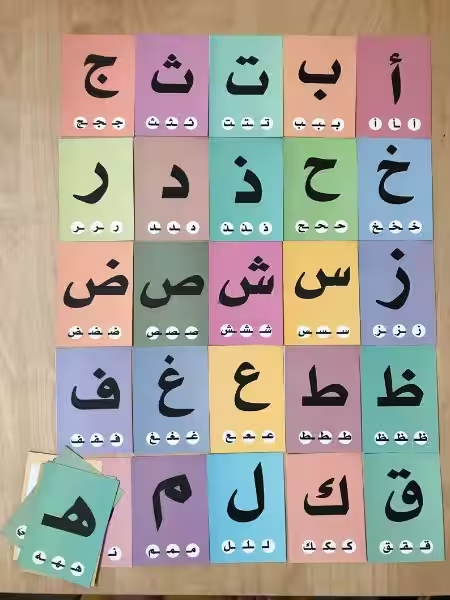
Unlocking the Arabic Language: A Journey with Flashcards
Embarking on the journey of learning Arabic can be both exciting and daunting. With its rich history, diverse dialects, and unique script, mastering this beautiful language requires dedication and effective learning strategies. One such strategy that has proven incredibly beneficial is the use of flashcards.
Flashcards are a powerful tool for language acquisition, particularly for vocabulary building. They offer a structured and engaging method to learn new Arabic words, phrases, and grammatical concepts. In this article, we will delve into the world of Arabic flashcards, exploring their benefits, different types, and how to maximize their effectiveness.
Arabic flashcards unlock a world of possibilities for language learners. They offer a versatile and effective approach to learning, catering to diverse learning styles and preferences. Here are some key benefits of using Arabic flashcards:
Vocabulary Expansion: The Building Blocks of Language
Arabic, like any language, is built upon a foundation of vocabulary. Flashcards provide a systematic way to introduce and reinforce new words and phrases. Whether you are learning basic vocabulary like “الكتاب” (al-kitāb, the book) or more complex expressions like “أريد أن أتعلم العربية” (ʾurīdu an ʾataʿallam al-ʿarabiyya, I want to learn Arabic), flashcards help you build a solid vocabulary base.
Visual Learning: Engaging the Mind’s Eye
Many learners benefit from visual learning, and flashcards excel in this area. They present a clear visual representation of the Arabic word or phrase, along with its English translation or definition. This visual association aids in memory retention and makes the learning process more interactive.
Self-Paced Learning: Mastering at Your Own Tempo
Learning a language should be an enjoyable and fulfilling experience. Flashcards empower you to learn at your own pace. You can focus on areas where you need more practice and revisit challenging concepts as often as necessary. This personalized approach ensures that you are comfortable with the material before moving on.
Active Recall: A Powerful Memory Technique
One of the most effective ways to learn is through active recall. Flashcards encourage active recall by requiring you to retrieve the information from your memory rather than passively looking at it. This process strengthens your learning and improves long-term retention.
Portability and Convenience: Learning on the Go
Arabic flashcards are incredibly portable and convenient. You can carry them with you and study anywhere, anytime. Whether you are waiting for a bus, commuting to work, or taking a break, you can utilize these valuable tools to enhance your Arabic vocabulary.
Types of Arabic Flashcards: A Diverse Learning Landscape
The world of Arabic flashcards is diverse, offering a range of options to cater to different learning needs and preferences. Here are some common types of Arabic flashcards:
Basic Vocabulary: The Foundation of Arabic
Basic vocabulary flashcards focus on essential words and phrases that form the building blocks of Arabic communication. These flashcards typically include common nouns, verbs, adjectives, and adverbs. Examples of such flashcards might include:
“الاسم” (al-ism, name)
“اللون” (al-lawn, color)
“الكبير” (al-kabīr, big)
“الصغير” (aṣ-ṣaghir, small)
By mastering these basic words, you can start building simple sentences and engaging in basic conversations.
Grammar Concepts: Mastering the Structure of Arabic
Grammar flashcards provide a structured approach to understanding the intricacies of Arabic grammar. They explain grammatical rules, structures, and conjugations in a clear and concise manner. Examples of such flashcards might include:
“The Definite Article”
“The Plural Form of Nouns”
“Verb Conjugation in the Present Tense”
These flashcards help you grasp the underlying structure of Arabic, allowing you to speak and write more fluently and accurately.
Phrases and Sentences: Stepping into Conversational Arabic
Phrases and sentences flashcards provide you with a ready-made toolkit for everyday conversations. They include common expressions, greetings, and sentence structures. Examples of such flashcards might include:
“كيف حالك؟” (kayfa ḥāluk, how are you?)
“أنا بخير” (ʾanā bi-khayr, I am fine)
“من فضلك” (min faḍlik, please)
“شكرا جزيلا” (shukran jazīlan, thank you very much)
By memorizing these phrases, you can navigate basic conversations with confidence and fluency.
Culture and History: Immersing Yourself in Arabic Culture
Culture and history flashcards offer a fascinating glimpse into the rich heritage of the Arabic language. They introduce you to important historical figures, cultural traditions, and significant events. Examples of such flashcards might include:
“The Prophet Muhammad”
“The Golden Age of Islam”
“The Seven Wonders of the Arab World”
These flashcards expand your understanding of Arabic culture and history, enriching your overall learning experience.
Finding Arabic Flashcards: A World of Resources
With the growing popularity of Arabic learning, there are numerous resources available for finding Arabic flashcards. Here are some popular options:
Online Platforms: A Digital Oasis of Flashcards
Online platforms like Quizlet, Memrise, and Anki offer extensive libraries of Arabic flashcards. These platforms provide a user-friendly interface, allowing you to create, share, and study flashcards online. They often incorporate features like spaced repetition algorithms, which help you memorize information more effectively.
Mobile Apps: Learning on the Go
Several mobile apps offer Arabic flashcards, making learning accessible anytime, anywhere. Popular apps like Memrise, Duolingo, and Babbel incorporate flashcards into their language learning programs. These apps offer interactive exercises, gamification features, and progress tracking, making the learning process engaging and rewarding.
If you prefer a more traditional approach, you can purchase pre-made sets of Arabic flashcards or create your own using index cards. Creating your own flashcards can be a more personalized and engaging learning experience, allowing you to tailor the content to your specific needs and interests.
Tips for Effective Flashcard Learning: Maximizing Your Success
To maximize the benefits of Arabic flashcards, consider these tips for effective learning:
Regular Practice: Consistency is Key
Consistency is crucial for mastering Arabic vocabulary. Aim to review your flashcards regularly, even if it is just for a few minutes each day. The more you practice, the more readily you will recall the information.
Spaced Repetition: Reinforcing Learning Over Time
Spaced repetition is a powerful memory technique that involves reviewing flashcards at increasing intervals. This method helps you retain information over the long term by gradually spacing out your review sessions. This can be done manually or by using apps that incorporate spaced repetition algorithms.
Active Recall: Engaging Your Memory
Don’t just passively look at the flashcards. Actively try to recall the information before flipping them over. This active recall process strengthens your memory and helps you identify areas where you need more practice.
Create Your Own: A Personalized Learning Experience
Creating your flashcards can be a more engaging and personalized learning experience. It allows you to select the content that is most relevant to your learning goals and interests. You can also design your flashcards with unique visuals or mnemonics to aid in memory retention.
Use Different Learning Methods: A Multifaceted Approach
Combine flashcards with other learning strategies, like listening to Arabic audio, watching videos, or reading Arabic texts. This multifaceted approach helps you engage different learning modalities and reinforces your learning in a variety of ways.
Remember: The Journey of Learning Arabic
Learning Arabic takes time and dedication. Using flashcards can be a valuable supplement to your learning journey, but it’s essential to engage in a comprehensive approach that includes listening, speaking, reading, and writing. Embrace the process, celebrate your progress, and enjoy the journey of discovering the beauty and richness of the Arabic language.
Frequently Asked Questions
What are some benefits of using Arabic flashcards?
Flashcards can help you learn new Arabic words, phrases, and grammar structures. They can also be a great way to practice your pronunciation and improve your vocabulary.
There are many free Arabic flashcard resources available online, including websites, apps, and even printable flashcards.
How can I create my own Arabic flashcards?
You can create your own flashcards using index cards, notecards, or even a simple word processor. Simply write the Arabic word or phrase on one side of the card and its English translation on the other.
How can I use Arabic flashcards effectively?
To get the most out of your flashcards, try to use them regularly. You can also use spaced repetition, which involves reviewing cards at increasing intervals.
What are some good resources for learning Arabic online?
There are many great online resources for learning Arabic, including websites, apps, and even online courses. Some popular websites include Memrise, Quizlet, and Anki.
Regularly practice to master Arabic vocabulary.
Utilize spaced repetition to reinforce learning.
Actively recall information before flipping flashcards.
Create your own flashcards for a personalized learning experience.
Combine flashcards with other learning strategies.
Use online platforms like Quizlet, Memrise, and Anki for extensive Arabic flashcards sets.
Explore mobile apps like Memrise, Duolingo, and Babbel for Arabic flashcards.
Purchase pre-made physical flashcards or create your own using index cards.
Focus on basic vocabulary flashcards for common nouns, verbs, adjectives, and adverbs.
Utilize grammar concept flashcards to understand grammatical rules and structures.
Learn common expressions and sentence construction through phrase and sentence flashcards.
Expand your knowledge of Arabic culture and history with dedicated flashcards.
Flashcards provide a visual representation for better memory retention.
Flashcards offer self-paced learning and focus on areas needing more practice.
Active recall through flashcards strengthens learning.
Flashcards are portable and convenient for studying anywhere, anytime.
Flashcards are a valuable supplement to a comprehensive Arabic learning approach.
Include listening, speaking, reading, and writing in your Arabic learning journey.
Flashcards aid in vocabulary expansion and memorization.
Flashcards are a popular and effective method for language acquisition.
Arabic flashcards offer a valuable tool for learning the complex Arabic alphabet and grammar.
Combine different learning methods for a well-rounded approach.
Consistency is crucial for mastering Arabic vocabulary.
Spaced repetition helps retain learned information over time.
Active recall enhances memory and understanding.
Creating your own flashcards makes learning more engaging.
Explore online platforms for a wide range of Arabic flashcards.
Utilize mobile apps for convenient and accessible flashcards.
Physical flashcards offer a tangible and interactive learning experience.
Flashcards cater to different learning needs and preferences.