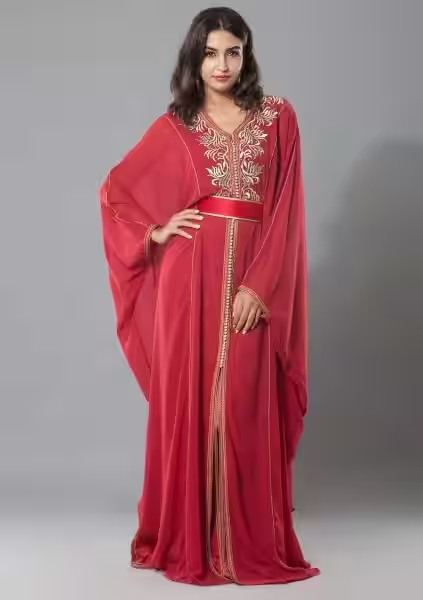
Unveiling Morocco’s Traditional Clothing for Men: A Deep Dive
Morocco, a land steeped in rich history and vibrant culture, boasts a fascinating array of traditional clothing, particularly for men. Understanding these garments goes beyond aesthetics; it delves into the social and cultural fabric of Moroccan society. This article aims to provide a comprehensive overview of Moroccan traditional men’s clothing, exploring its styles, significance, and evolution.
The jellaba, a long, loose-fitting robe, is arguably the most recognizable piece of Moroccan traditional clothing for men. Its simplicity belies its profound cultural importance. Historically, the jellaba served as both practical wear and a statement of social standing. The fabric, often wool or cotton, provided warmth and protection from the elements. Different variations reflected regional differences and social status, with the richer materials and intricate embroidery denoting higher social standing.
Today, the jellaba remains a popular choice for everyday wear, particularly in rural areas and on special occasions. It has also seen a resurgence in popularity among urban dwellers, who appreciate its comfort and unique aesthetic. The jellaba’s enduring appeal lies in its versatility, adaptable to a wide range of settings and styles.
Beyond the Jellaba: Exploring Other Traditional Garments
While the jellaba is central to the image of Moroccan traditional clothing for men, several other garments complement and enrich the ensemble. These include:
The galabiya: A more contemporary variation of the jellaba, often made of lighter fabrics.
The seroual: A type of loose-fitting trousers, often worn underneath the jellaba.
The chechia: A distinctive conical cap, a symbol of Moroccan identity.
These different garments, worn in various combinations, allow for a degree of personalization and expression within the traditional framework.
The galabiya, for example, offers a more modern take on traditional wear, suitable for warmer climates. The chechia, with its distinctive shape and often intricate embroidery, remains a powerful symbol of Moroccan identity.
Regional Variations and Influences: A Tapestry of Tradition
Moroccan traditional clothing for men isn’t a monolithic entity. Significant regional variations exist, reflecting the diverse geography and cultural influences that have shaped the country. From the rugged Atlas Mountains to the coastal cities, distinct styles and preferences emerged over time. Understanding these variations is key to appreciating the depth and complexity of the cultural tapestry.
For instance, the materials used in the jellaba and other garments often reflect the local resources available. In the mountainous regions, wool might be more prevalent, while cotton would be favoured in the warmer coastal areas. Further, the techniques and artistry used in tailoring and embroidery vary across regions, each with its own unique traditions. This demonstrates a fascinating interplay between tradition and adaptation.
The Modern Evolution of Moroccan Traditional Clothing
Modernity has naturally influenced the way Moroccan men approach traditional wear. While the core elements remain, there’s a growing trend towards blending traditional garments with contemporary styles. The incorporation of modern fabrics, designs, and silhouettes continues to shape this evolution.
This evolution isn’t a rejection of tradition but a testament to its adaptability. The use of contemporary fabrics and cuts doesn’t diminish the cultural significance of the garments; rather, it allows for a fresh interpretation of a rich heritage. This ability to meld old and new showcases the dynamism of Moroccan culture.
Cultural Significance and Symbolism: More Than Just Clothing
Moroccan traditional clothing for men holds more than just practical value. It carries a heavy cultural and social significance. The colours, patterns, and embellishments often convey specific messages about the wearer’s social standing, profession, and even family ties.
The choice of fabric, for example, could signal wealth and status. Intricate embroidery on a jellaba could represent a specific region or clan. This adds another dimension to the clothing, transforming it into a living embodiment of cultural values and social structures. This demonstrates how deeply embedded traditional clothing is within the societal fabric.
Conclusion: A Living Heritage
Moroccan traditional clothing for men is more than just attire; it’s a living testament to the country’s rich heritage. From the iconic jellaba to other accompanying garments, each piece speaks volumes about the culture, history, and social nuances of the wearer. As modernity continues to shape the 21st century, the enduring appeal of these traditional garments lies in their ability to adapt and evolve while maintaining their cultural roots. This remarkable fusion underscores the vibrancy and dynamism of Moroccan society.
Frequently Asked Questions about Traditional Moroccan Men’s Clothing
What is the most common type of traditional Moroccan men’s clothing?
The most common and recognizable traditional garment for men in Morocco is the djellaba. While other regional variations exist, the djellaba, a long, loose robe, is a staple across the country. It’s often made of wool or cotton, and its style varies slightly depending on the specific region and occasion.
What materials are traditionally used in Moroccan men’s clothing?
Traditional Moroccan men’s clothing often utilizes locally sourced materials, reflecting the country’s climate and resources. Wool is a key fabric, particularly for the djellaba, due to its warmth and durability. Cotton is also widely used, especially for lighter garments worn during warmer months. Natural dyes, derived from plants and minerals, are frequently employed for vibrant colors, giving the clothing rich and distinctive hues.
How does the djellaba differ based on region or occasion?
While the basic djellaba shape remains consistent, regional variations exist. For example, the djellaba in the Rif Mountains might be a bit heavier to withstand colder weather, while those in coastal areas might be lighter and more breathable. Color and embellishments can also vary. Certain occasions, like weddings or religious festivals, might see the use of more elaborate or ornate djellabas.
What are some other important pieces of traditional Moroccan men’s clothing?
Beyond the djellaba, other important garments include the seroual, a type of loose-fitting trousers, and the galabiya, a longer, more flowing robe often worn in urban areas or for more formal occasions.
What is the significance of color in traditional Moroccan men’s clothing?
Color holds cultural importance in Moroccan clothing. Specific colors are often associated with different social groups or occasions. For example, certain shades of blue or red might be more prevalent in certain regions or for particular holidays. The use of natural dyes adds another layer of cultural significance, reflecting the craftsmanship and tradition of the artisans.
Does traditional Moroccan men’s clothing still have relevance today?
Yes, traditional Moroccan men’s clothing remains relevant and continues to be worn, especially in rural areas and on special occasions. Many younger generations wear it as a way to connect with their heritage and cultural identity. The djellaba, in particular, has seen a resurgence in popularity as a stylish and culturally significant garment in contemporary fashion.
How does traditional Moroccan men’s clothing reflect the country’s history?
Traditional garments often reflect historical influences, trade routes, and regional interactions. The use of specific fabrics or patterns can trace back to historical artisan traditions and interactions with neighboring countries. For instance, the quality of craftsmanship in the intricate detailing of clothing can highlight the rich history of textile production in different regions of Morocco.
What role does craftsmanship play in traditional Moroccan men’s clothing?
Manual craftsmanship is integral to traditional Moroccan men’s clothing. Skillful tailoring, intricate embroidery, and the use of natural dyes all reflect the dedication and artistry of local artisans. These traditional skills are passed down through generations, ensuring the preservation of cultural heritage.
Where can I find examples of traditional Moroccan men’s clothing today?
Traditional Moroccan clothing is often found in local markets, artisan workshops, and specialized shops, particularly in cities like Marrakech, Fes, and Chefchaouen. Online retailers now also offer a wider selection of authentic traditional clothing.
Where can I learn more about the history and significance of this clothing?
Museums dedicated to Moroccan culture and history often have exhibitions showcasing traditional garments. Books and articles about Moroccan history and culture provide valuable insights into the historical context of these garments. Local guides and researchers can often provide further information on the region-specific variations.