How to Express Gratitude to a Muslim Neighbor Respectfully
Building strong relationships with neighbors from diverse backgrounds requires understanding and sensitivity. This often involves navigating cultural nuances and demonstrating genuine appreciation for their kindness. This article explores the delicate art of expressing gratitude to Muslim neighbors, particularly during culturally significant events like Ramadan, ensuring your expression is both respectful and meaningful.
Ramadan is a significant religious observance for Muslims, marked by fasting, prayer, and increased acts of charity. During this month, Muslims often prioritize community and generosity, making thoughtful gestures of appreciation even more meaningful. It’s essential to recognize that Ramadan is not just a period of abstinence but a time of spiritual reflection and increased connection with their faith. Showing respect for this religious observance, and not just for the individuals themselves, is key to maintaining a positive relationship.
Avoiding Misunderstandings and Misinterpretations
A simple “Thank you” can often suffice, but it’s crucial to consider the cultural context. Overly formal or elaborate gestures might be misinterpreted. The focus should always be on genuine appreciation for the neighbor’s actions, rather than attempting to replicate specific religious practices. Avoid any action that could be seen as intrusive or disrespectful.
Simple and Meaningful Expressions of Thanks
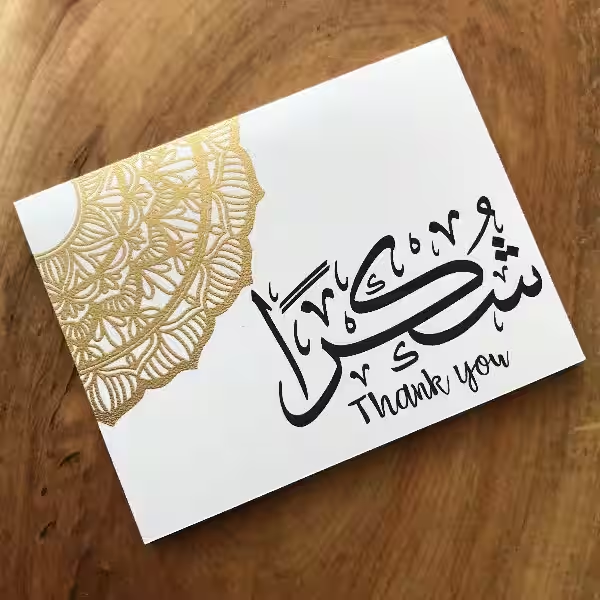
A well-written thank-you note in English is often the most appropriate way to express appreciation. Keep it concise and sincere, focusing on the specific kindnesses received. For example, instead of a generic “Thank you,” try “We were so touched by your generous gift of food during Ramadan.” This personal touch demonstrates your understanding and appreciation for their specific gesture.
While a simple “thank you” is appreciated, adding a personal touch is crucial. Mentioning the specific act of kindness—the food shared, the welcoming smile—demonstrates that you’ve paid attention and are truly grateful for their actions. Avoid overly formal language and focus on conveying your sincere appreciation for their generosity. A thoughtful gesture, like a small gift, can be a wonderful addition to your thank-you note.
Choosing Appropriate Gifts (or Not)
During Ramadan, it’s important to be mindful of the cultural significance of the month. While sharing food is common, the choice of a gift can be tricky. A sweet treat, like banana bread, may not be the ideal choice as it might not align with the spirit of Ramadan. Alternatively, a small, thoughtful Ramadan-themed gift, like a box of dates or a decorative item related to the month, can convey your respect for the occasion without imposing expectations on them.
Cultural Sensitivity and Consideration
The aim is not to replicate specific religious practices, but to acknowledge the significance of Ramadan and demonstrate your understanding of their cultural context. Focus on gestures that express your appreciation while respecting their traditions. Avoid anything that could be perceived as inappropriate or disrespectful. Be mindful that Ramadan is a personal journey for each individual, and not a one-size-fits-all event.
Building a Strong and Respectful Relationship
The key to strong relationships with neighbors from diverse backgrounds is mutual understanding and respect. Your Muslim neighbors’ kindness and generosity likely stem from a desire to build a welcoming community. Your response should reflect the same values.
Respecting Cultural Nuances
Be mindful of cultural differences and avoid any action that could be perceived as intrusive or disrespectful. Your goal is to build a strong connection based upon mutual respect, rather than trying to force a specific cultural conformity. Avoid over-the-top gestures or attempts to emulate specific religious practices, as this can be misinterpreted.
While “Shukran” is a common Arabic word for “thank you,” using it in English conversations with your neighbors might not be necessary. Focus on the written thank-you note or a simple verbal expression of gratitude in English. Your intent is to express appreciation, and not to mimic specific cultural practices.
Focusing on the Shared Human Experience
The core of a strong relationship lies in recognizing the common ground we share as human beings, despite our differences. Appreciate the warmth and generosity that your Muslim neighbors have shown, and try to understand the values and beliefs that fuel those actions. Focus on creating a positive and mutually respectful relationship.
In conclusion, expressing gratitude to a Muslim neighbor, particularly during Ramadan, requires sensitivity, understanding, and respect for their cultural practices. A simple, heartfelt thank-you note, accompanied by a culturally appropriate gift (if desired), is often the most respectful way to acknowledge their kindness. By focusing on genuine appreciation and understanding, you can foster a strong and positive relationship with your neighbors.
How can I appropriately thank my Muslim neighbors during Ramadan?
Expressing gratitude to Muslim neighbors during Ramadan requires sensitivity and respect. A simple “thank you” is always appreciated, but understanding the cultural context is key. Focus on genuine appreciation, not just a perfect translation.
What’s the best way to express gratitude in a culturally appropriate manner?
A well-written thank-you note in English is a respectful way to acknowledge their generosity. Keep it simple, sincere, and focus on specific gestures. For example, “We were so touched by your generous gift of food.” Avoid overly formal language. A personal touch emphasizing their kindness is more meaningful.
While sharing food is common, the specific choice of a sweet bread might not be the ideal Ramadan gesture. Consider a culturally relevant gift, but avoid anything perceived as inappropriate. A small, thoughtful Ramadan-themed gift, like dates or a decorative item related to the month, demonstrates awareness of the occasion. The gift doesn’t need to be directly tied to Ramadan rituals.
What if I don’t know much about Ramadan?
Focusing on the shared experience of generosity and appreciation is more important than knowing specific details about Ramadan. Your neighbors’ kindness and willingness to share already demonstrate a welcoming nature. Your goal is to build a strong relationship based on mutual respect and understanding.
How can I avoid any misunderstandings or misinterpretations?
Avoid any actions that could be misconstrued as disrespectful. Over-the-top gestures or attempts to emulate specific religious practices should be avoided. Your neighbors’ kindness is a good starting point. Focus on building a strong connection based on mutual respect and understanding.
What if there’s a language barrier?
A well-written thank-you note in English is a suitable and respectful way to express gratitude, even if there’s a language barrier. The note should focus on the specific gestures of kindness, showing sincere appreciation.